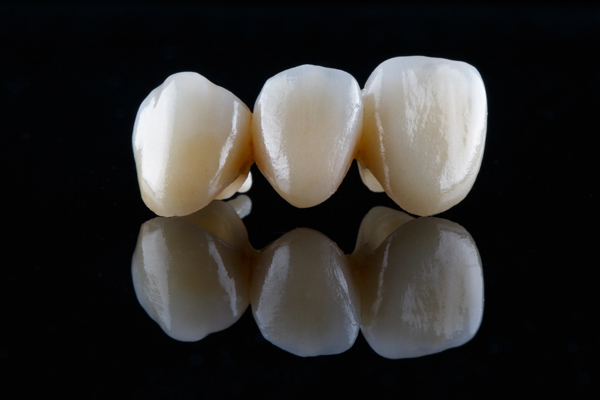
A dental bridge is one of the options available for replacing one or more missing teeth. Bridgework is usually provided as a fixed solution that is not detachable, unlike dentures. Bridges work to fill the gap left by missing teeth and restore full oral functions as well as the smile. Continue reading to discover some of the types of dental bridges available.
4 Types of dental bridge
Four main types of bridges are available, depending on the number of missing teeth and the presence of healthy teeth on the jaw. A typical bridgework contains fake teeth, known as pontics, and dental crowns to anchor the bridge.
1. Traditional bridge
The traditional bridge is the most common type of bridge. This bridge is used when there are one or more healthy teeth present on both sides of the missing tooth. The enamel of these teeth will be filed down, and a crown will be used to cover them. The bridge is a single extensive structure that is typically made from porcelain and fits snugly between the teeth.
2. Maryland bridge
The Maryland dental bridge is more conservative in comparison to the conventional dental bridge. Also called a resin-bonded or adhesive bridge, the pontics can be made of porcelain, metal, or acrylic and anchored to the gum line via a metal or porcelain framework. The framework is then connected to the teeth located close to the gap. It is an excellent option if the patient does not want to have any of their healthy teeth modified for dental crowns.
3. Cantilever dental bridge
The cantilever bridge is like the traditional bridge but is used when there are healthy teeth on one side of the missing tooth only. The process entails filing down the enamel layer of the natural tooth and covering it with a crown that is connected to a pontic. Like the regular bridge, the bridge will cover the gap. This bridge is not usually recommended for restoring lost back teeth where there is a lot of chewing force generated that can damage it. They are not as common as the other types of dental bridges.
4. Implant-supported bridge
An implant bridge has a similar structure as the traditional dental bridge but is supported by dental implants, instead of natural teeth. This option can be used to replace three to six missing teeth. Two implants are placed in the jawbone on the two sides of the gap and a crown is attached, then the bridgework is between them. It is typically more stable and comfortable than the other dental bridge options.
Ready to replace those missing teeth?
Damaged or missing teeth can affect the appearance of the smile, as well as the ability to perform certain functions like eating and speaking. You have multiple options when it comes to restoring a missing tooth with dental bridges. Each option has its benefits and drawbacks. With the help of an experienced dentist, you can have a tooth restoration that works best for you.
Request an appointment here: https://addevalefamilydentistry.com or call Addevale Family Dentistry at (770) 430-3087 for an appointment in our Griffin office.
Check out what others are saying about our dental services on Yelp: Dental Bridges in Griffin, GA.
Related Posts
Dental bridges are a type of dental restoration for teeth that involve the use of artificial tooth replacement. It can be used to replace missing teeth or in cases where all of an individual's natural teeth have been lost.The bridge is fixed between two healthy teeth. The bridge spans over this area with crowns on…
A dental crown is a common restoration that provides essential protection and structural support for damaged or weakened teeth. Over time, even the most durable dental crown can experience wear, misalignment, or develop issues that compromise your oral function and health. Here are five signs that indicate it is time to replace or refit a…
Dental crowns can treat many different concerns. They can repair damaged teeth, attach to dental implants for teeth replacement, and more. Two of the main types of dental crowns are metal and porcelain crowns. Both are effective solutions, but one may be preferable to another depending on the intended purpose.Your dentist should help you decide…
Restoring a smile does not need to be complicated; in fact, a dental crown makes tooth repair simple in many cases. From chips and cracks to restoring damage from cavities, it can serve as a new biting surface for the tooth. Since it can mimic natural tooth material, other people will not be able to…