Knocked Out Tooth Care From an Emergency Dentist
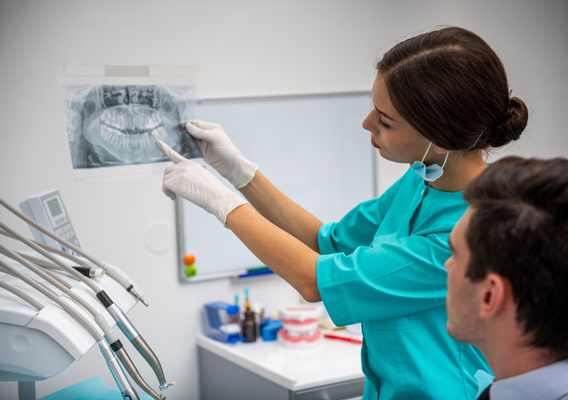
An emergency dentist can provide urgent care when a tooth is knocked out during sports, a fall, or another sudden accident. However, to increase the chances of saving the tooth, patients and dentists must act quickly. Knowing what to do before arriving at the dental office can help protect the root surface and improve the chances of successful treatment.
Steps to take before seeing the emergency dentist
When a permanent tooth is knocked out, pick it up by the crown, which is the chewing surface, not the root. Touching the root can damage delicate cells that help the tooth reattach. If the tooth looks dirty, rinse it gently with clean lukewarm water for a few seconds. Do not rub, scrub, dry, or wrap it in tissue.
If possible, place the tooth back into the socket and bite down softly on clean gauze to hold it in place. If that is not possible, keep the tooth moist in a cup of milk or, if available, a tooth-preservation solution. Some people may also hold it inside the cheek if they are old enough to do so safely without swallowing it. Then, immediately contact an emergency dentist for instructions and treatment. Keep in mind that if the patient suffered a blow to the head and was knocked unconscious for some time, or they are excessively bleeding from the head, nose, or ears, it is important to contact 911 or go to the hospital immediately before calling an emergency dentist.
Why speed matters for saving a knocked-out tooth
A knocked-out tooth is a dental emergency because the tissue around the root dries out quickly. In many cases, the sooner an emergency dentist sees the patient, the better the chance of saving the tooth. Waiting too long, such as multiple days, makes it nearly impossible to replace the tooth in the socket or keep it stable over time.
The dentist will also check for other problems that can happen with this type of injury. These may include a chipped nearby tooth, jaw soreness, cuts to the lips or gums, or damage below the gumline that is not easy to see at home. X-rays often help the emergency dentist examine the area and decide on the next steps.
Types of treatment from an emergency dentist
Treatment depends on the patient's age, the condition of the tooth, and how long the tooth has been out of the mouth. If the dentist can place the tooth back into the socket, they may stabilize it with a small splint, a device that holds the tooth in place while the area heals. Follow-up visits help the emergency dentist monitor healing and look for signs of infection or root damage.
In children, the knocked-out tooth may be a baby tooth rather than a permanent one. In that case, the dentist will usually not replace it in the mouth because doing so could affect the developing adult tooth beneath. Instead, the dental team will place a space maintainer and focus care on comfort, healing, and protecting the space as the mouth continues to grow.
Get help without delay
A knocked-out tooth can feel overwhelming, but fast care can make a major difference. Prompt treatment can improve comfort, protect surrounding teeth, and support better healing after the injury. For more information or to schedule an appointment, call our office.
To schedule a consultation, please request an appointment on our website at https://addevalefamilydentistry.com or call Addevale Family Dentistry at (770) 430-3087 to arrange an appointment at our Griffin office.
Check out what others are saying about our dental services on Yelp: Emergency Dentist in Griffin, GA.
Related Posts
A dental emergency can happen at any time, particularly to the soft tissue in your mouth. This guide will go over what kinds of emergencies can occur and what steps you should take afterward. This will help you to take care of yourself, whether you are currently experiencing an injury in your mouth or you’re…
General dentists recommend adding flossing to your oral hygiene routine once a day. This important practice removes plaque and food debris that brushing alone cannot reach. While string floss is an effective way to clean between your teeth, several alternative methods can make the cleaning process more comfortable and efficient.Flossing is an essential part of…
Understanding the key differences between a dentist and an orthodontist can help patients determine which specialist they need for their oral health care. While both professionals focus on maintaining and improving oral health, their roles, training, and areas of expertise differ significantly. A dentist typically handles general dental care, while an orthodontist specializes in diagnosing…
When searching for a dentist near me, it is important to find someone who provides excellent care and makes every visit a positive experience. A great dentist combines skill, modern tools, and a patient-focused approach to help maintain and improve your oral health. Whether you need a routine checkup or a more complex procedure, choosing…